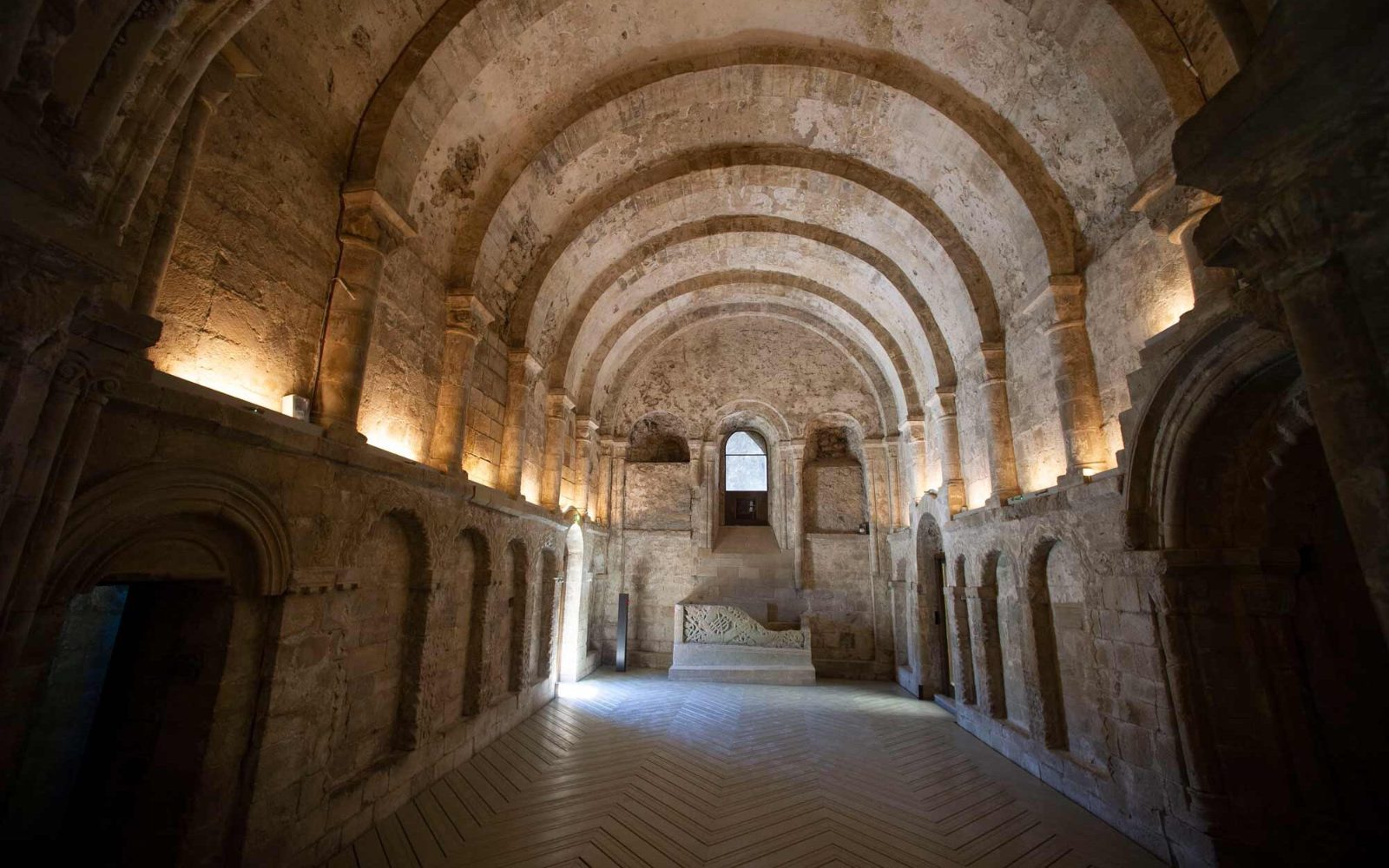
Cormac’s Chapel
A Romanesque structure consecrated in 1134, it contains rare frescoes and a carved northern doorway.
Observe the unique exterior blind arcading and stone carvings.

Discovering the rock of cashel ireland history guide reveals a complex timeline spanning over a millennium. Prepare for your walk through the ancient seat of power with essential context about the site's surviving structures.
Quick answer
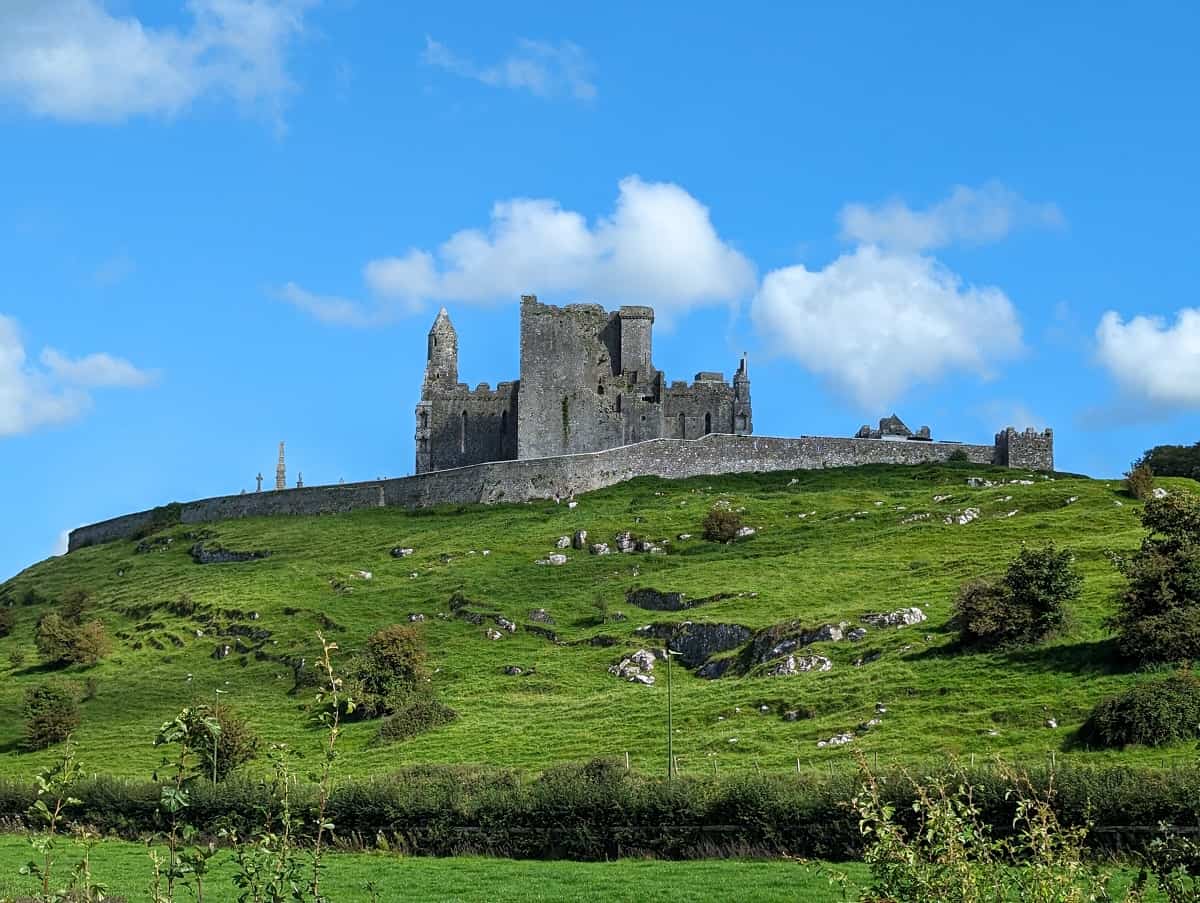
The primary narrative of the site centers on its transition from the royal seat of the Munster kings to a powerful ecclesiastical center in the 12th century. Visitors can explore this timeline daily from 09:00 to 17:30. An 8 EUR adult admission fee includes a guided tour, which provides the most comprehensive overview of its evolution from fortress to cathedral complex.
Looming above the surrounding plains of the Golden Vale, the limestone outcrop known as Carraig Phádraig holds structural remains that date back to the year 1100. Understanding the rock of cashel ireland history requires looking beyond the imposing stone walls to see a landscape shaped by centuries of shifting power. Originally the stronghold for the Kings of Munster, the site underwent a dramatic transformation when King Muirchertach Ua Briain granted the fortress to the Church in 1101. This political maneuver permanently altered the trajectory of the complex, turning a secular royal seat into an ecclesiastical powerhouse. Today, visitors stepping onto the plateau are immediately confronted by this dual legacy, where military defensiveness blends seamlessly with religious devotion. Navigating this ancient Tipperary landmark tour means walking through distinct architectural eras. Rather than a single unified building, the plateau functions as a collection of monuments built across different centuries. The oldest surviving structure is the well-preserved round tower, standing 28 meters high and dating to the early 12th century. Shortly after its construction came Cormac's Chapel, which introduced Romanesque architecture to the island and remains a focal point for conservation efforts due to its rare surviving frescoes. The massive Gothic cathedral that dominates the skyline was added in the 13th century, long after the legendary baptism of King Aengus by St. Patrick. Because the timeline spans so many eras, making sense of the ruins independently can be challenging. To fully grasp the narrative sequence of the medieval fortress, visitors should take advantage of the site's interpretive resources. The standard admission covers an official guided walkthrough, which typically departs from the Hall of the Vicars Choral near the main entrance. These structured overviews map out the chronological shifts in power and explain how the various kings and bishops shaped the physical landscape of the plateau. Informational placards scattered throughout the graveyard and cathedral nave provide supplemental dates and context for those exploring at their own pace. By utilizing these resources to decode the ruins, you gain a clear, grounded perspective on the broader rock of cashel ireland history.
“Rather than a single unified building, the plateau functions as a collection of monuments built across different centuries.”
Long before it became a Christian complex, the limestone outcrop served as the traditional seat of the Kings of Munster. The Eóganachta clan established their royal fortress here in the fourth century. According to local lore, St. Patrick arrived in 432 AD to baptize King Aengus. This event marked a crucial early turning point in the rock of cashel ireland history. The kings ruled from this vantage point for centuries, dominating the surrounding plains of County Tipperary. Brian Boru, the legendary High King of Ireland, was crowned on this very summit in 978 AD. The site's royal dominance ended abruptly in 1101. King Muirchertach Ua Briain officially gifted his ancestral fortress to the Church. This strategic donation accomplished two goals simultaneously. It prevented rival families from claiming the stronghold, and it solidified his favor with powerful bishops. This move initiated the site's rich Cashel ecclesiastical heritage. Within a short period, the settlement was elevated to an archbishopric during the Synod of Rathbreasail. The transition sparked an ambitious building campaign throughout the twelfth and thirteenth centuries. The local rulers funded the construction of Cormac's Chapel, successfully consecrating the sophisticated Romanesque structure in 1134. The fortified complex endured severe violence during the turbulent Irish Confederate Wars. In 1647, Parliamentarian troops under Lord Inchiquin attacked the hill. They sacked the fortress and massacred hundreds of clergy and civilians who had taken refuge inside the Gothic cathedral. The religious center never fully recovered from this brutal siege. The cathedral was formally abandoned in 1749 when the local archbishop ordered the roof removed to avoid maintenance costs. Today, a visitor tracing the rock of cashel ireland history can still walk through the roofless nave. The surviving stone shells, including the intact round tower and weathered high crosses, stand as silent records of shifting power dynamics on the Golden Vale.
The Eóganachta clan establishes a royal fortress on the limestone outcrop.
According to local tradition, St. Patrick arrives to baptize King Aengus.
Brian Boru is crowned King of Munster on the summit.
King Muirchertach Ua Briain gifts the site to the Church to thwart his political rivals.
Cormac's Chapel is consecrated following a major Romanesque building campaign.
Parliamentarian forces under Lord Inchiquin storm the hill and sack the cathedral.
The cathedral roof is removed, marking the formal abandonment of the hilltop complex.
To ensure a smooth experience at the Rock of Cashel, the best arrival window is 09:00–11:00. Arriving early helps you avoid mid-day crowds and ensures availability for guided tours and limited chapel entry.
—
Quiet exploration of the site with fewer visitors before tour buses arrive.
Mild, 10°C to 18°C
These shoulder months offer temperate conditions and fewer tourists compared to the peak summer season.
Warm, 15°C to 20°C
Visitor numbers are highest during these months, making early morning arrivals essential for accessing the chapel.
Verdict: The most effective strategy for your visit is arriving between 09:00 and 11:00 on a weekday during the shoulder months of May or September.
The Rock of Cashel maintains consistent operating hours throughout the week to accommodate visitors. The site is open daily.
The Rock of Cashel features a collection of medieval ecclesiastical structures that display distinct architectural transitions. These buildings remain as the primary evidence of the site's importance in Irish history.
A Romanesque structure consecrated in 1134, it contains rare frescoes and a carved northern doorway.
Observe the unique exterior blind arcading and stone carvings.
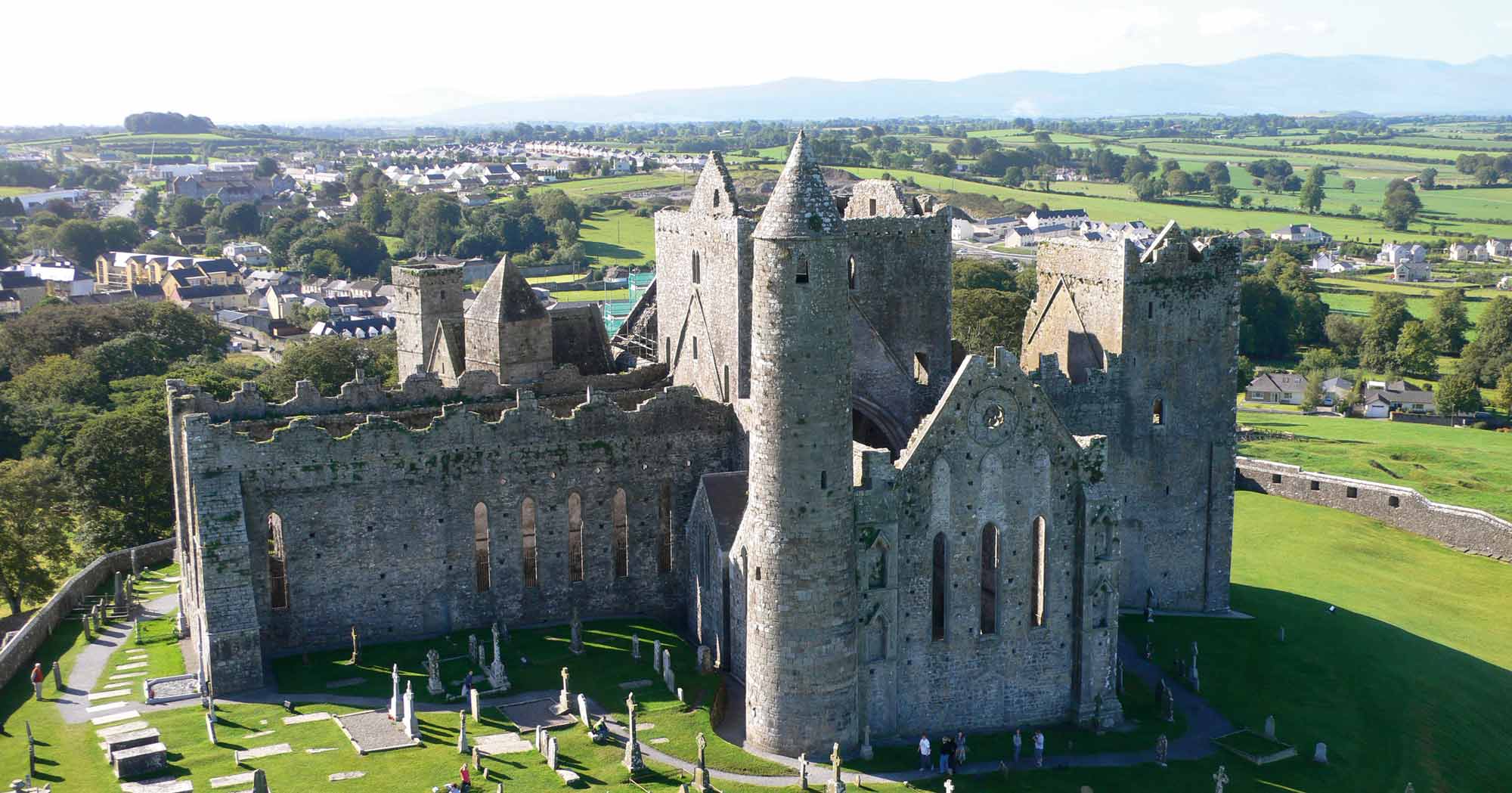
Standing 28 meters tall, this structure dates back to approximately 1100 and is built of local limestone.
View from the base to appreciate the original entrance height.
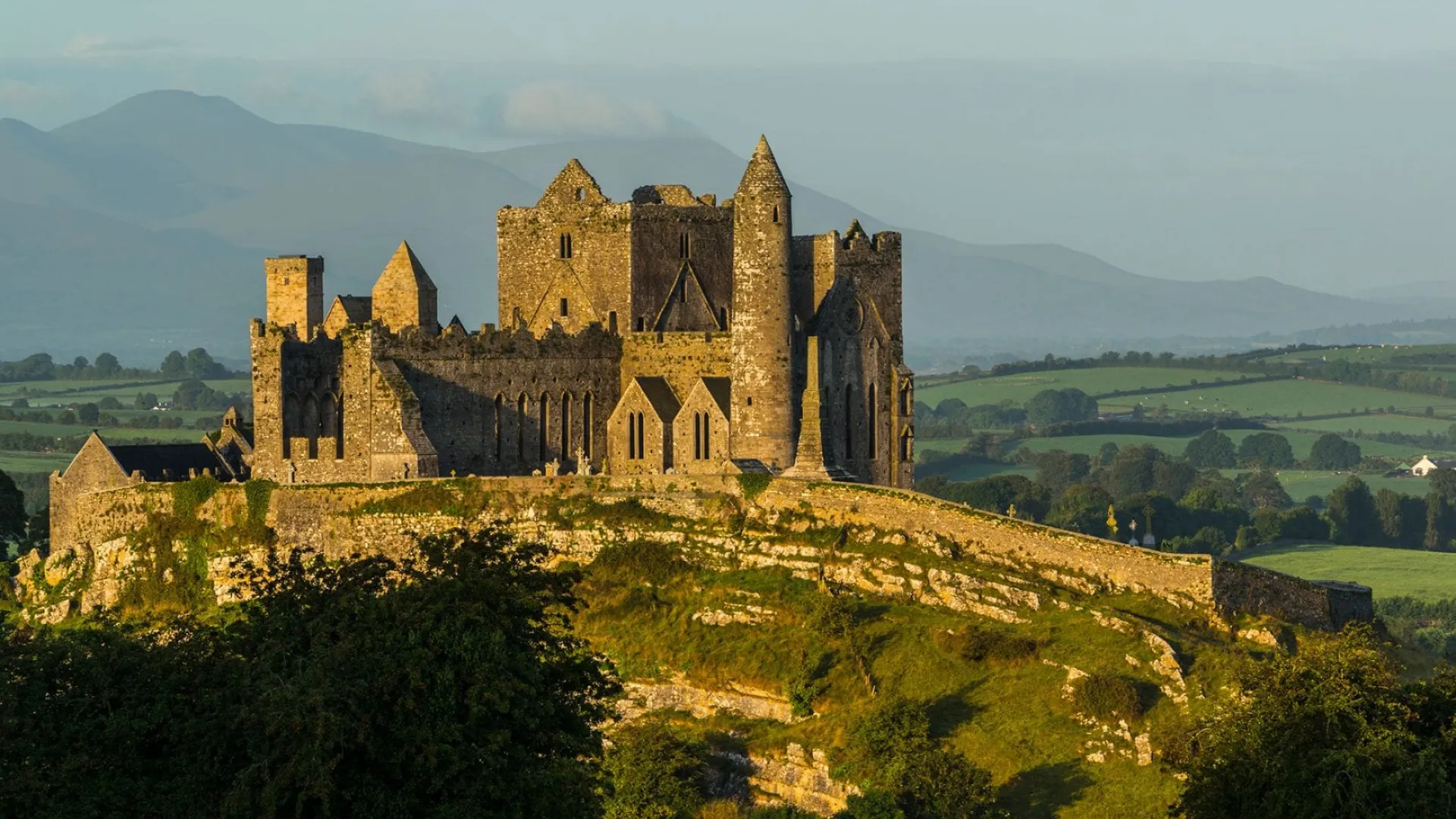
A 13th-century Gothic church that dominates the site, featuring a nave, choir, and a central tower.
Walk the length of the nave to see the wall thickness.
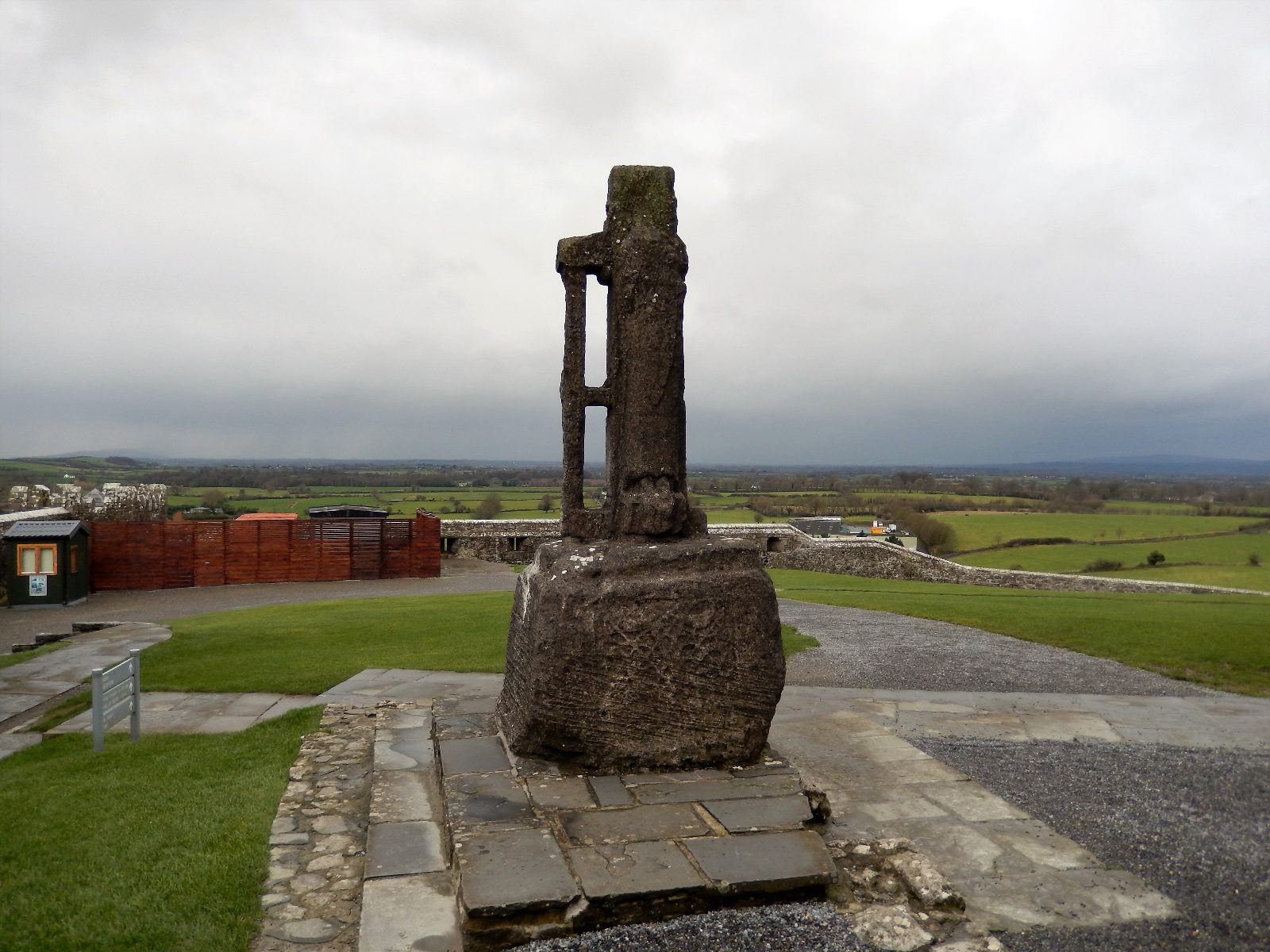
A 12th-century high cross located on the site, believed to be used in the inauguration of kings.
Position yourself to see the cross against the cathedral background.
The Rock of Cashel is located in the town of Cashel, County Tipperary, at the address St. Patrick's Rock of Cashel, Cashel, Co. Tipperary, E25 KX44. It is most easily accessed by car or regional bus services traveling toward the town center.
M8 motorway to Cashel exit
Bus Éireann route toward Cashel
From Cashel town center to the Rock
Plan to arrive between 09:00–11:00 to avoid mid-day crowds and ensure availability for guided tours and limited chapel entry. Parking is available in the town with a short walk up the hill to the entrance.
Everything you need to know about rock of cashel ireland history
The Rock of Cashel served as the traditional seat of the Kings of Munster for several hundred years. Exploring the rock of cashel ireland history reveals a complex of medieval buildings, including a 12th-century round tower and a 13th-century Gothic cathedral.
The adult admission fee is 8 EUR. This price includes access to the historic grounds and facilities.
To avoid mid-day crowds and ensure availability for chapel entry, the best arrival window is 09:00–11:00. The site is open daily from 09:00 to 17:30.
Yes, your 8 EUR entrance fee includes a guided tour of the site. Engaging with a guide is a great way to better understand the rock of cashel ireland history.
While this page provides information to help you plan, you should check official channels or our booking widget to secure your spot. Advance planning ensures you have time to appreciate this prominent Tipperary landmark.
Children are welcome to visit these ancient fortifications. Visitors often find that the expansive site and medieval architecture provide an educational experience regarding the rock of cashel ireland history.
The site is located at St. Patrick's Rock of Cashel, Cashel, Co. Tipperary, E25 KX44. You can contact them at +353 62 61437 for specific inquiries.
The site is unique due to its collection of Romanesque and Gothic architecture set atop a limestone outcrop. It remains one of the most significant examples of ecclesiastical sites in Ireland.
Getting to Blarney Castle from Dublin
Read more GuideWhere is the Rock of Cashel?
Read more GuideHow to Get to Blarney Castle from Cork
Read more GuideBlarney Castle Entrance Fees & Tickets
Read more GuideBlarney Castle Opening Hours
Read more GuideThe Blarney Stone: Locations & Facts
Read more Tickets & toursBlarney, Rock of Cashel & Cahir Castle Tour
Read more Tickets & toursBlarney & Cashel Day Tour from Dublin
Read more